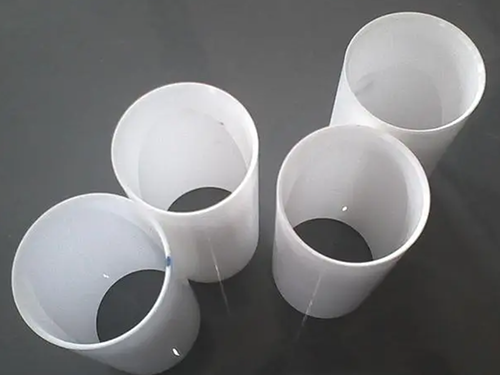
With the improvement of modern people's living standards, people's requirements for the quality of daily necessities are also increasing, including ordinary tableware. Zirconia cutting tools and chopsticks are deeply loved by people. Zirconia ceramics have advantages such as high toughness, high bending strength, high wear resistance, excellent insulation performance, and thermal expansion coefficient close to steel. Do you know the hardness of zirconia ceramics?
What are the factors that cause damage to alumina ceramics? Alumina ceramic is a widely used ceramic. Due to its superior performance, it has been increasingly widely used in modern society, meeting the needs of daily use and special performance. Aluminum oxide ceramic is a ceramic material mainly composed of aluminum oxide (Al2O3), used in thick film integrated circuits. Aluminum oxide ceramics have good conductivity, mechanical strength, and high-temperature resistance.
Nowadays, zirconia ceramics have been widely used in various industries, and zirconia ceramic materials are gradually being widely used in the field of micro machinery. However, due to the advantages of high temperature resistance, oxidation resistance, acid and alkali corrosion resistance, and high hardness of zirconia ceramic materials, zirconia ceramics are used in the field of micro machinery under some harsh working conditions, such as high temperature, high strength, and heavy corrosion. Below, we will introduce the application of zirconia ceramics in the micro mechanical industry:
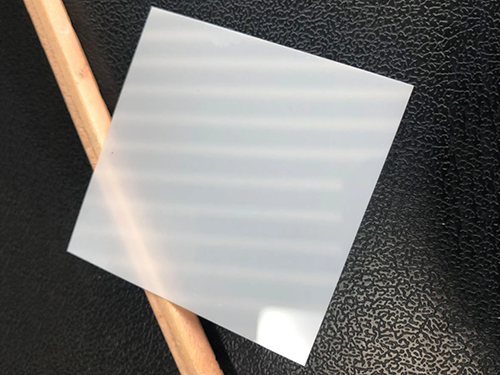
Zirconia ceramic materials have extremely strong weather resistance, and have no effect on the surface or substrate, regardless of sunlight, rain (or even acid rain), or moisture. Zirconia ceramic plates are highly valuable because of their superior performance and are mainly used as important raw materials for refractory materials, high-temperature structural materials, and electronic materials. So what are the requirements for processing zirconia ceramic plates? Below is an introduction for everyone:
Zirconia ceramics mainly consist of oxygen and zirconium elements to form oxides. Zirconia ceramics usually have a certain amount of oxygen content, and the amount of oxygen content will determine the effectiveness of zirconia ceramics. Therefore, it is necessary to accurately detect this component. So how to test the oxygen content in zirconia ceramics? Let's take a look together: an oxygen content analyzer has been specially launched for this purpose, which can quickly and effectively detect zirconia ceramics.
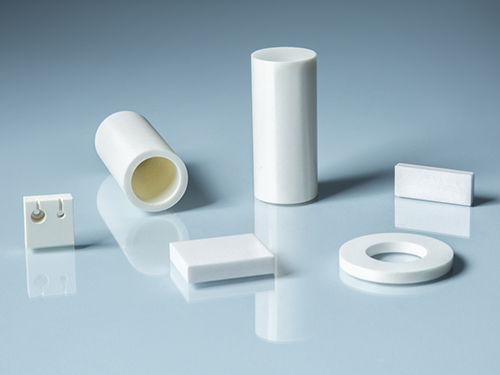
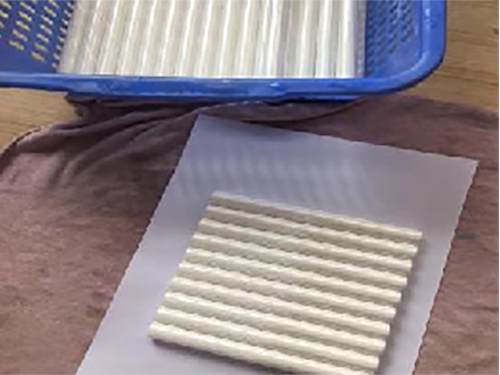
Zirconia ceramic rods have the common advantages of both metal and polymer materials, and have been widely concerned and applied due to their numerous advantages, playing a very important role. The production process of ceramic rods is quite complicated, requiring production processes such as cutting, grinding, grinding, and polishing. However, compared to similar products made of other materials, ceramic rods have a high demand and are on the rise due to their advantages.
Total:24
Total Length:4 |
The current page:4
9First
7Previous
Next page8
Finally page:
Jump: