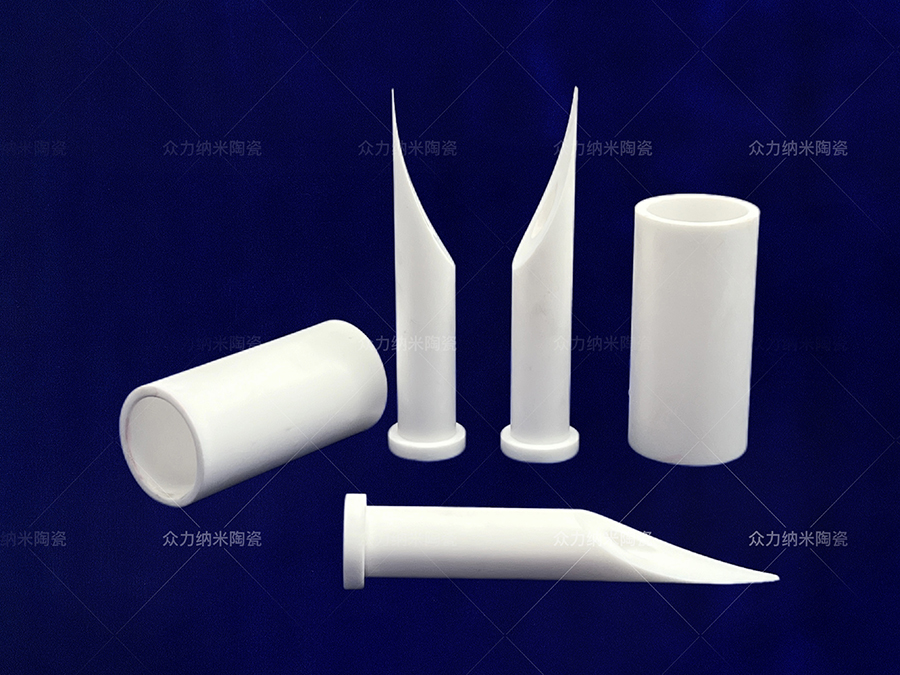
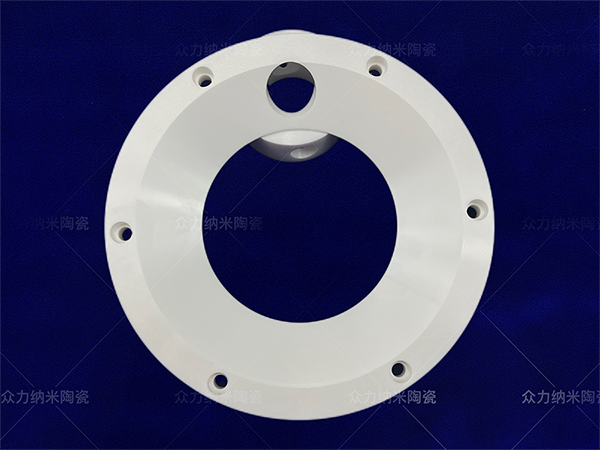
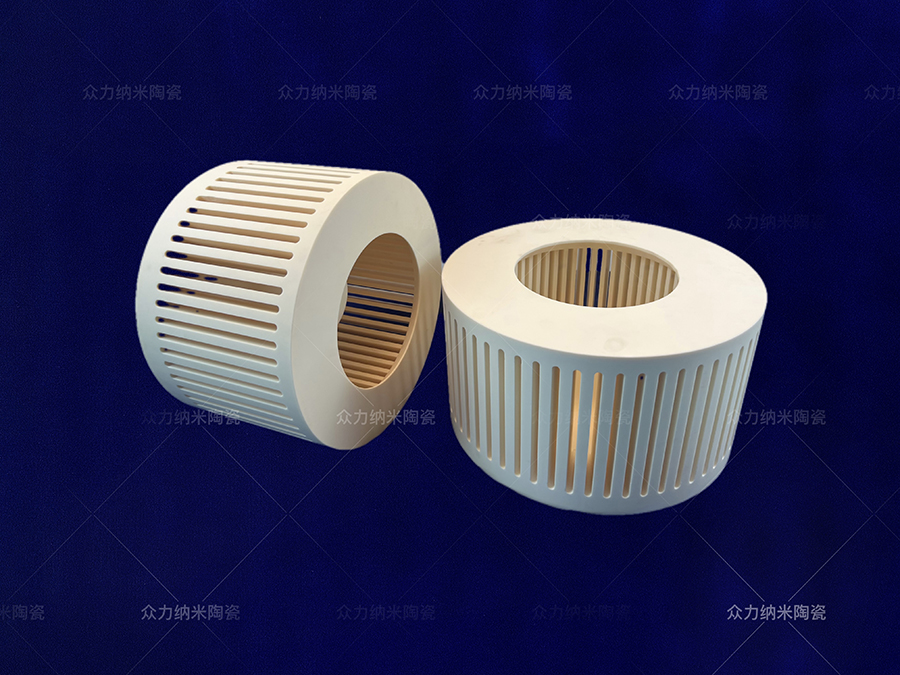
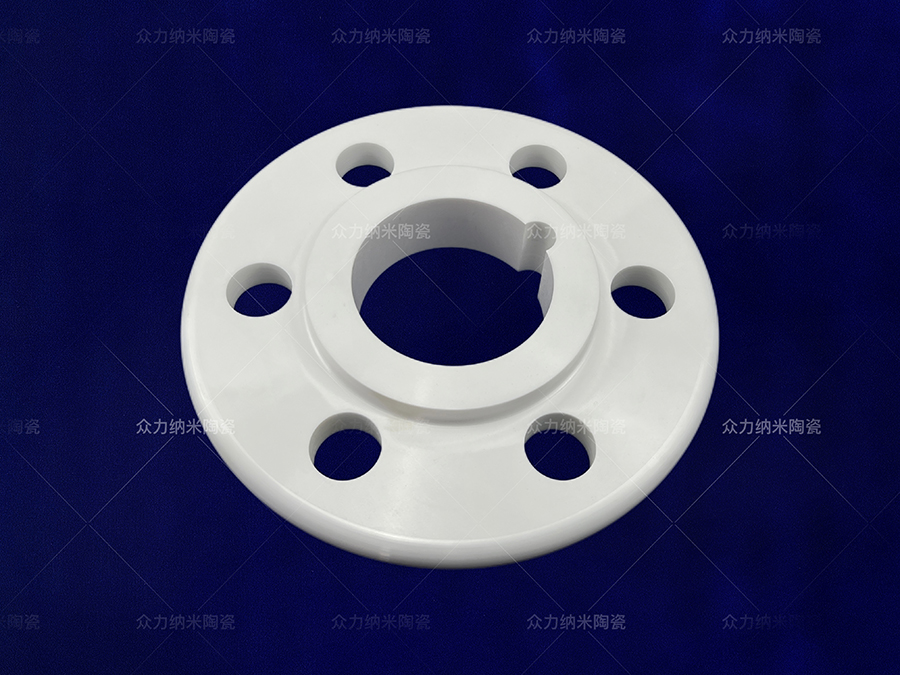
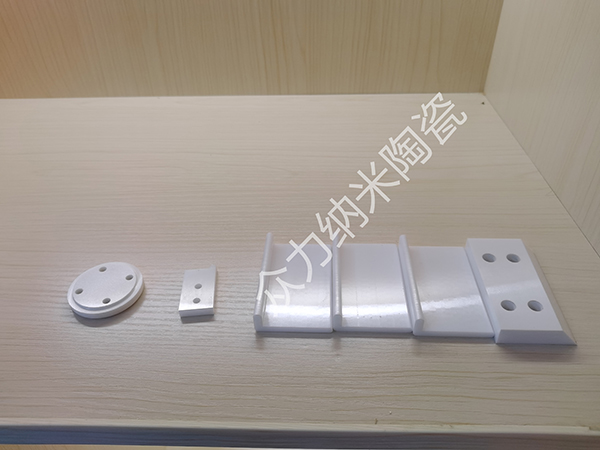
The ultra-fine grinding of lithium battery slurry imposes stringent requirements on the wear resistance and corrosion resistance of internal components in sand mills. Many equipment manufacturers tend to focus solely on unit prices when replacing zirconia ceramic liners, ceramic rotors, and ceramic nozzles, often overlooking material purity and sintering processes. This results in rapid wear, powder shedding, and direct contamination of battery slurry upon initial operation.
Zirconia ceramic is a core wear-resistant component material in the field of powder crushing and fine grinding industries. Due to its excellent toughness, resistance to bumps and bending strength, etc., it is widely used in various powder processing and precision grinding equipment. Looking at the current industry situation, most ceramic processing manufacturers only have the ability for subsequent machining processing, and the core ceramic raw materials are completely dependent on external purchase, unable to control the production process from the source...
The purity of lithium battery cathode and anode materials directly determines the safety and endurance performance of battery cells. Metal debris produced by the wear and shedding of metal parts in the production line and mixed into raw materials is one of the main causes of unqualified material batches.
Traditional industrial ceramic processing is commonly plagued by problems such as coarse sintered grains, uneven shrinkage, and large post-processing dimensional deviations, which easily cause unstable tolerance values, assembly jamming, and inconsistent service life among mass-produced special ceramic parts.
The grinding of positive and negative electrode materials for lithium batteries has strict requirements for equipment components. The selection of components directly affects the purity of the materials, the grinding efficiency, and the stability of the production line. Many lithium battery manufacturing enterprises are quite confused when choosing grinding machine components. Based on industry application experience, ceramic components, with their numerous advantages, are gradually replacing traditional metal and polyurethane components.
I believe everyone knows that zirconia ceramics mainly contain oxides composed of oxygen and zirconium elements. Therefore, zirconia ceramics will contain a certain amount of oxygen. The amount of oxygen content will directly determine the effectiveness of zirconia ceramics to a certain extent. Therefore, in order to better ensure the effectiveness of zirconia ceramics.........