
Provide a ceramic entire industry chain solution
Provide a ceramic entire industry chain solution
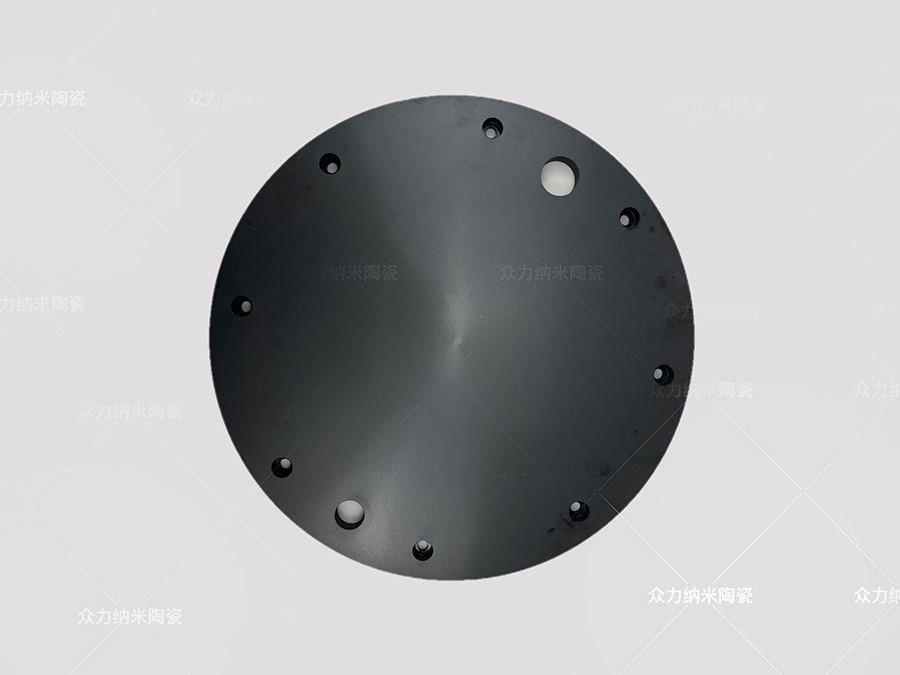
With the continuous advancement of high-end manufacturing, nanoceramics—thanks to their exceptional properties such as high hardness, high-temperature resistance, strong electrical insulation, wear and corrosion resistance, and excellent chemical stability—are gradually replacing traditional metals and conventional ceramic materials. They have now been widely adopted across various high-end industries and are highly regarded in the market for their outstanding performance.
In the electronics and semiconductor industry, nanoceramics are used extensively. They are often fabricated into various precision ceramic structural components, insulating parts, ceramic jigs, and positioning parts. These components are well-suited for cleanroom and precision manufacturing environments, offering high-temperature resistance with minimal deformation and excellent insulation protection, thereby effectively ensuring long-term stable operation of electronic and production equipment.
The new energy industry is also a major application field for nanoceramics. Whether for new energy vehicle components or wear-resistant parts and thermal insulation/electrically insulating members for lithium battery production equipment, nanoceramics can be used. They provide high compressive strength, wear resistance, and good heat dissipation, meeting the high-intensity and high-load demands of new energy equipment.
The medical device field imposes stringent requirements on material safety. Nanoceramics, with their excellent biocompatibility, can be machined into precision medical instrument parts, dental restoration components, and medical wear-resistant parts. They are non-toxic, harmless, safe, and environmentally friendly, offering far superior comfort and durability compared to conventional materials.
Furthermore, nanoceramics are widely used in many other fields, including precision machinery, chemical equipment, communication devices, automation equipment, and optical components. They resist acid and alkali corrosion while withstanding complex operating conditions involving high and low temperatures, resulting in a significantly longer overall service life.
The rational application of nanoceramic materials not only enhances overall product quality but also effectively reduces equipment failure rates, helping various industries achieve industrial upgrading and quality improvement.
Dongguan Zhongli Nano Ceramics Technology Co., Ltd. © Copyright 2023
【Backstage】